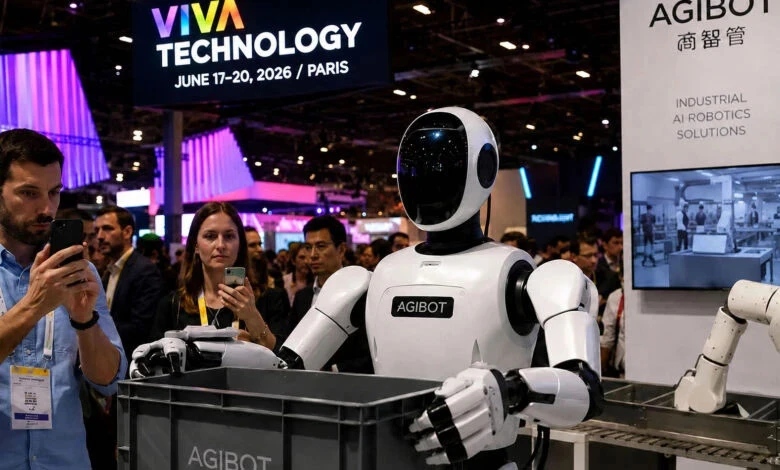
Picture a giant hall in Paris. A robot is throwing boxing punches at nobody. Another one is dancing so hard it nearly knocks over a screen. A few steps away, a company is selling a personal survival pod for floods and earthquakes. Welcome to VivaTech.
BBC presenter Shiona McCallum took her cameras there for Tech Now, the BBC’s technology show. The programme listing describes her segment as a round-up of the key innovations on show at the event, as TV Movie’s guide puts it. This article gives you the bigger picture of what was happening in Paris, using reports from several news outlets. (I haven’t seen the full BBC episode, so everything below comes from the sources linked.)
What Is VivaTech?
VivaTech is a yearly technology and startup festival held at Paris Expo Porte de Versailles. A startup is a young company trying to grow fast with a new idea. The event puts founders, investors, engineers and government leaders in the same halls.
The 2026 edition ran from June 17 to 20 and was the 10th anniversary. It was a record one. According to the official press release, it passed 200,000 visitors from 165 nationalities, with more than 15,000 startups.
For scale, The Next Web notes that the very first edition drew about 45,000 people. Maddyness adds that the show used 70,000 square metres of space, 20,000 more than the year before, and hosted more than 1,155 speakers.
This Year’s Big Theme: AI That Actually Works
AI, or artificial intelligence, means computer systems that can do tasks that normally need human thinking, like writing, spotting patterns or answering questions. For a few years, AI at tech shows meant big promises. The 2026 slogan, reported by The Next Web, was “Artificial intelligence: impact, not illusion.” In plain words: show us AI that does something useful, not just something shiny.
CGTN’s coverage says the focus was on practical use, including AI assistants (software that can do tasks for you) that can work across different apps and platforms. Deep tech, meaning hard science and engineering like robotics and quantum computing, was another major attraction.
The Real Stars: Humanoid Robots
If VivaTech had a celebrity, it was the humanoid robot, a robot built to look and move a bit like a person.
- Unitree, a Chinese company, greeted visitors with robots doing boxing moves and balance tricks, as Africanews (AP) reported.
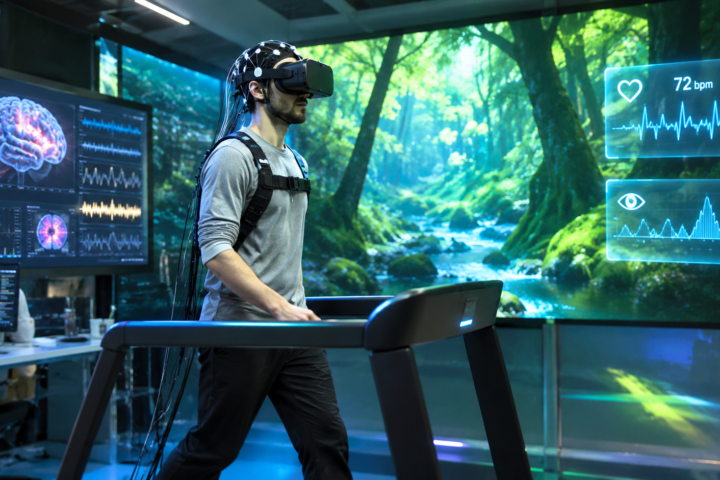
- Unitree also teamed up with a French neuro-AI startup called HABS for a live demo where brain signals, picked up without surgery, were used to direct a robot, according to The Next Web. Neuro-AI is a mix of brain science and AI.
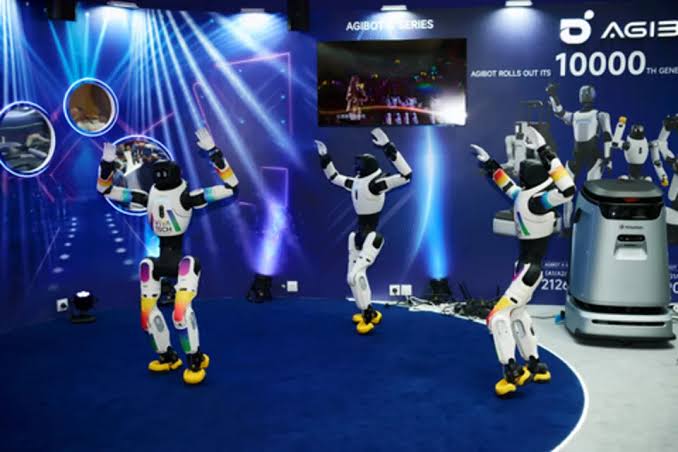
- Chinese firms Unitree and Agibot also staged choreographed dance shows. Maddyness says the robots sometimes got so enthusiastic that they knocked over screens. Even robots can get carried away on the dance floor.
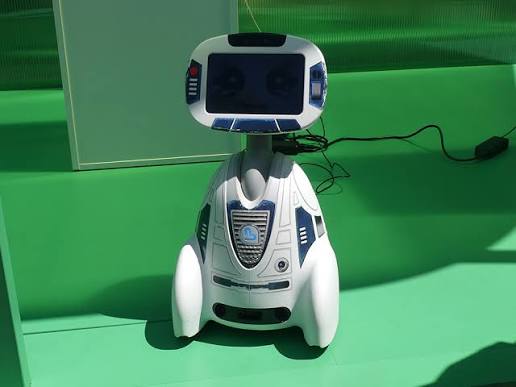
- The Next Web also lists France’s Enchanted Tools, which brought back its wheeled humanoid Mirokai (already tested in hospitals), and PAL Robotics with its TIAGo Pro and a newer humanoid called Kangaroo.
Weird and Wonderful Gadgets
Not everything was a robot, which is where the fun is.
- Lifepods, a French company, showed a personal survival capsule for flood zones, tsunami areas and earthquake zones. Euronews joked it was perfect for the day the robots take over.
- Skyted showed an earpiece meant to let you talk privately in noisy public places, per The Next Web. Great for the train, bad for gossip.
- Perfect Corp demoed AI tools for personalised skincare and makeup.
The BBC’s own Tech Life podcast also visited the show. In this episode listing, Shiona McCallum tries on wearable tech and looks at the challenges facing data centres (the giant warehouses of computers that power the internet).
The Big Names on Stage
- Jeff Bezos, Amazon’s founder, spoke with Blue Origin’s boss Dave Limp. According to The Next Web, he argued that heavy, polluting industry should one day move into space, leaving Earth as a “garden planet.” CGTN reports he also said AI would lead to labour shortages rather than replace people.
- Narendra Modi, India’s Prime Minister, appeared with President Emmanuel Macron on June 18. India was the event’s AI Country Partner. Modi pushed for inclusive and responsible AI, as Maddyness and The Next Web report.
- Germany was the 2026 “Country of the Year,” and the full guest list also included LVMH’s Bernard Arnault and European Commission officials, per the press release.
Why Europe Cares So Much
VivaTech is also Europe saying: we want a seat at the table. The US and China lead big parts of AI, and Europe wants its own path. IBTimes UK frames the show as a way for Europe to challenge Silicon Valley’s dominance.
There is also a track record. The Next Web says about a third of the companies on VivaTech’s top lists from 2019 to 2023 have since become unicorns (startups valued at over $1 billion).
What It All Means
Three simple trends stood out:
- AI is moving into the real world. Robots, wearables and smart homes are where AI gets physical.
- Robots are getting more human. They dance, box, and now respond to brain signals.
- Everyone wants to be in on it. With 200,000 visitors, the interest is clearly not slowing down.
If you want to see it yourself, organisers say the next VivaTech runs June 16 to 19, 2027, back at Paris Expo Porte de Versailles.
Sources
TV Movie