Qatari mediators have reportedly handed Iran a draft deal to end the conflict with the United States, and Tehran’s answer is expected by the end of the week. The outcome will shape shipping through the Strait of Hormuz and whether the war reignites.
Iran–US talks: key facts at a glance
- Draft deal: presented to Iran on Sunday, October 25, per an official cited by Reuters.
- Terms: a seven-day timeline with daily confidence-building steps for each side, with several countries as guarantors.
- Iran’s response: expected by the end of the week; no public comment yet.
- Iran’s ask: a two-week regional pause in hostilities in exchange for gradually reopening Hormuz.
- US posture: a blockade of Iranian shipping since mid-July, and a Wednesday advisory telling non-essential vessels to stay clear.
What is in the Qatari draft deal?
According to The National, citing a Reuters source, the draft sets a seven-day timeline in which each side takes daily confidence-building steps. It could begin early next week, with several countries acting as guarantors. Details beyond that have not been published.
What does Iran want?
Iran says it “welcomes any efforts aimed at negotiations, talks or collective consultation.” It asked visiting Saudi, Pakistani and Turkish officials to persuade Washington to accept a two-week pause in hostilities, in exchange for gradually reopening the Strait of Hormuz.
Who visited Tehran?
A delegation from the “Makkah pact” countries visited on Monday, led by Saudi Defence Minister Prince Khalid bin Salman, with Pakistan’s army chief Asim Munir and Turkish intelligence chief Ibrahim Kalin. Iranian state media said the parties agreed to keep talking, but regional sources said there was no clear progress. The delegation asked Iran to press the Houthis to stop attacking Saudi Arabia; Iran said it lacks enough influence over them.
What is happening in the Strait of Hormuz?
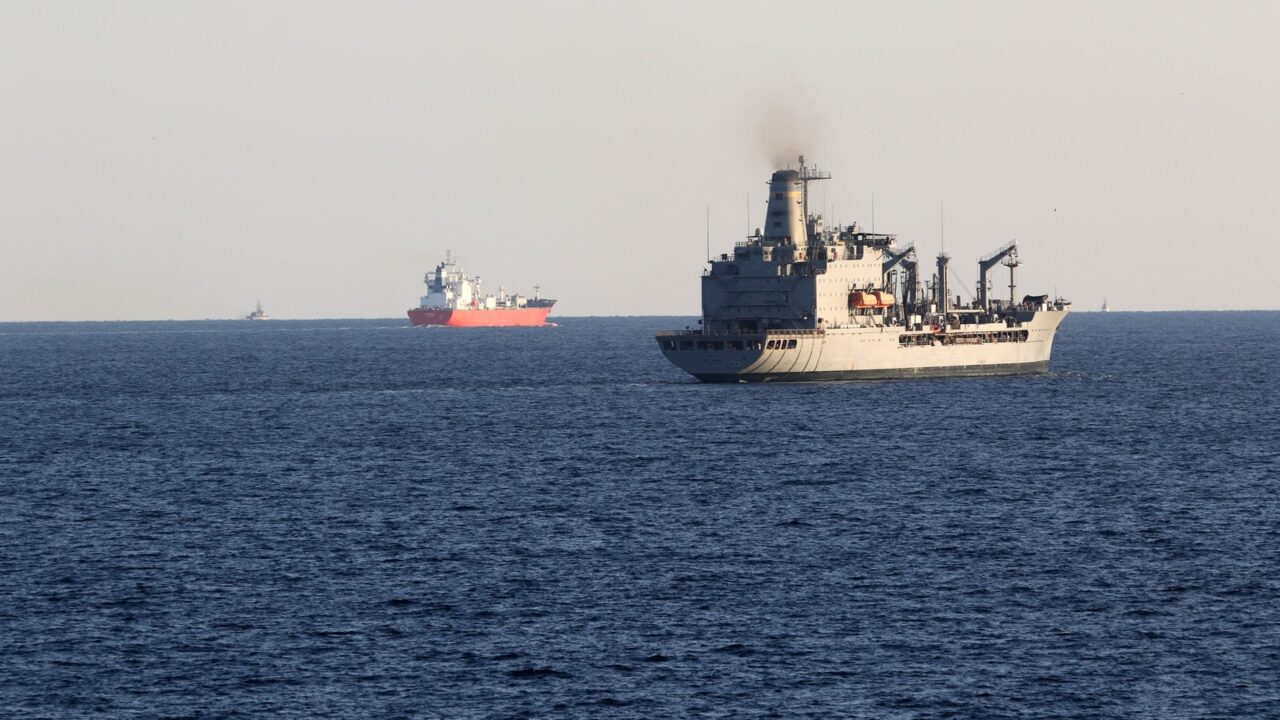
US Naval Forces Central Command issued an advisory on Wednesday telling vessels with no need to transit to stay well clear and others to allow extra time because of traffic density and blockade enforcement. The US last issued a similar notice in mid-July, when its blockade of Iranian shipping began. Washington says the blockade does not impede neutral passage, although ships may be questioned. Al Jazeera reported on October 24 that Iran said it will not let US warships approach while Trump weighs new attacks.
Could the war restart?
The National reports fears that the conflict could reignite, possibly after the US midterm elections next week. That is a concern among analysts and officials, not a confirmed plan.
Why does this matter for oil prices and your wallet?
The Strait of Hormuz is a major route for global oil shipments, so disruption feeds directly into energy prices and inflation. With crude above $100 a barrel in recent trading and the Federal Reserve weighing another rate hike (see our Fed decision explainer), a deal or a breakdown matters well beyond the Gulf. For the Red Sea side of the story, read our Houthi Red Sea explainer.
Frequently asked questions
Who is mediating between Iran and the US?
Qatar, according to a Reuters-sourced report in The National.
How long is the proposed deal?
Seven days of daily confidence-building steps.
Has Iran accepted?
Not publicly. A response is expected by the end of the week.
Is the Strait of Hormuz closed?
Traffic is restricted and the US is enforcing a blockade of Iranian shipping; Iran has linked reopening to a pause in hostilities. Check live shipping advisories for current status.
Sources
- The National, Oct 28, 2026: Iran welcomes negotiations after reported Qatari-mediated draft deal
- The National, Oct 27, 2026: Inside Tehran talks
- Al Jazeera, Oct 24, 2026
Last updated: October 29, 2026. We will update this page when Iran responds.