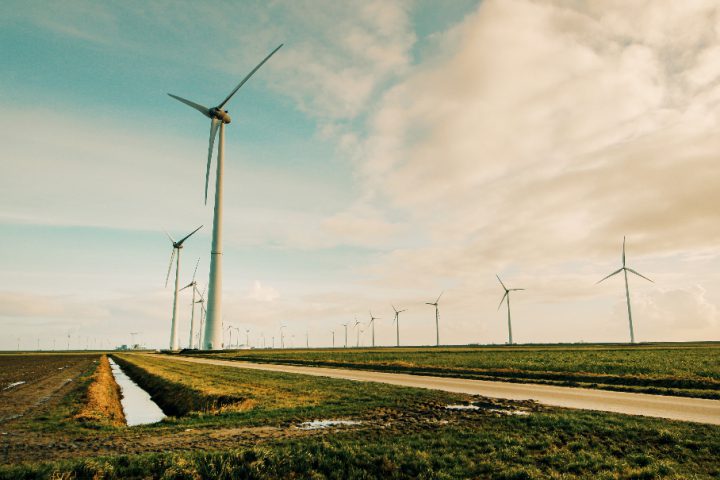
Food security in a changing climate
Feeding a growing population while weather patterns shift requires new approaches to farming and trade.

Nexowide
Section
Global affairs, diplomacy, cities, climate and the trends shaping lives around the world.
Feeding a growing population while weather patterns shift requires new approaches to farming and trade.
International climate talks bring nearly every country to the table. Reaching consensus requires balancing very different interests.
Disease outbreaks can spread quickly across borders. Surveillance, cooperation and strong health systems are the main defences.
Countries gain influence not only through military or economic strength but also through attraction and persuasion.
Hundreds of millions of people still cook with wood, charcoal or kerosene. Cleaner alternatives bring health and environmental benefits.
International peacekeepers help stabilise conflicts and protect civilians. Their success depends on clear mandates and political support.
Popular destinations are seeking ways to benefit from visitors without overwhelming residents or the environment.
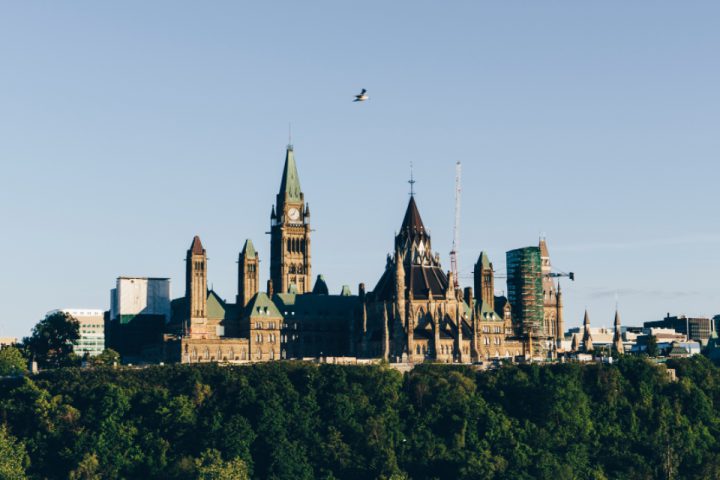
Countries increasingly use diplomacy to attract investment, secure resources and open markets. Economic and foreign policy are closely linked.
Many of the world's languages are spoken by small communities and are at risk. Communities and researchers are working to keep them alive.
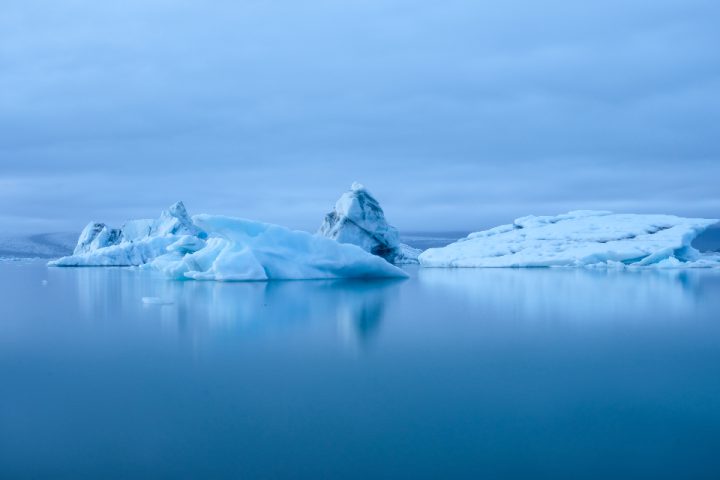
Melting ice is opening new shipping routes and access to resources in the Arctic. Cooperation and competition are both increasing.