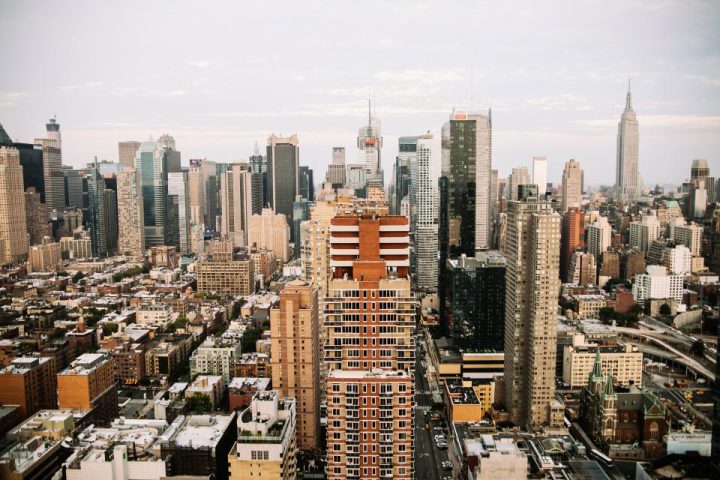
The world’s cities keep growing. Can infrastructure keep up?
More than half of humanity now lives in cities, and the share is still rising. Housing, transport and services are under pressure.

Nexowide
Section
Global affairs, diplomacy, cities, climate and the trends shaping lives around the world.
More than half of humanity now lives in cities, and the share is still rising. Housing, transport and services are under pressure.
Public summits attract attention, but most diplomacy happens quietly through long negotiations and steady relationship-building.
People move for work, safety, family and opportunity. Migration brings economic benefits and political debates in equal measure.
Economic sanctions are a common tool of foreign policy. Their effectiveness depends on design, enforcement and international support.
Many countries have more older people and fewer young workers than ever. Pensions, healthcare and labour markets must adapt.
The UN brings nearly every country together, but agreement on major issues can be difficult. Its work extends far beyond the headlines.
Many regions face increasing pressure on freshwater supplies. Better management can make a significant difference.
Military and political alliances shape how countries deter threats and respond to crises. They also require constant maintenance.
Heatwaves are becoming more frequent and intense in many regions. Cities and health systems are developing plans to protect residents.
Arms control agreements aim to reduce the risk of war and the costs of competition. Verification is the key to making them work.