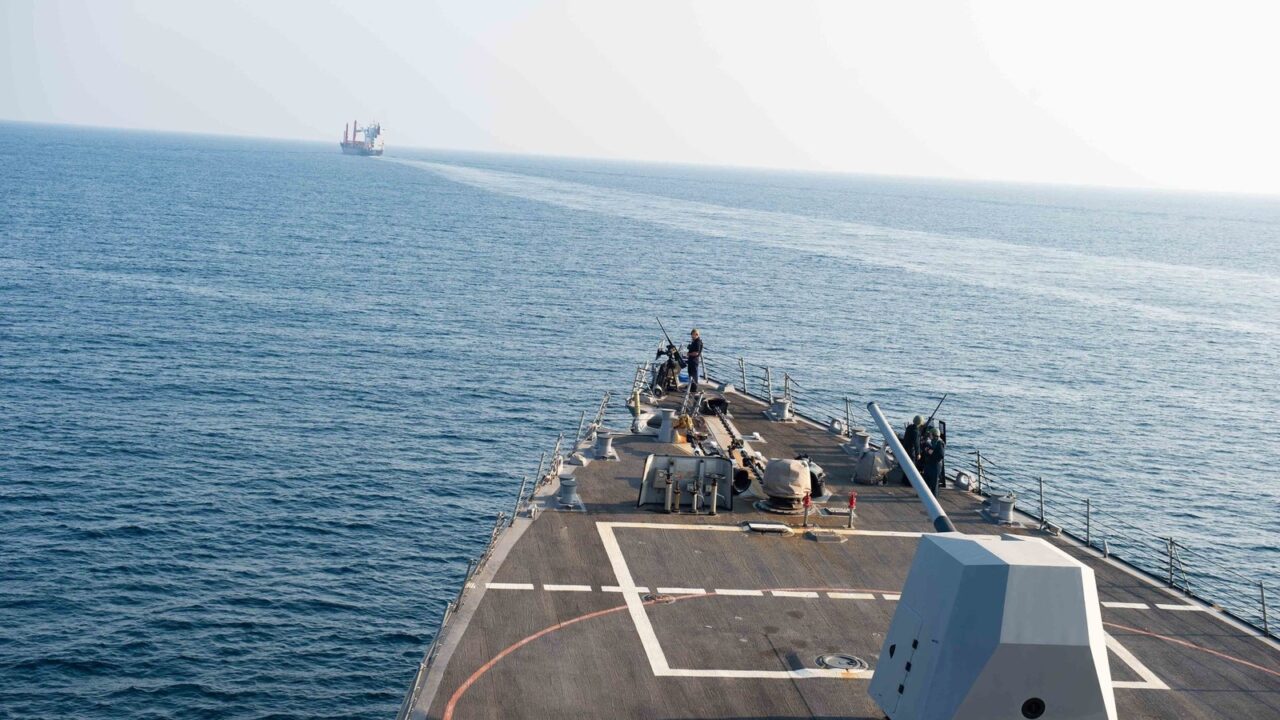
The Houthis launched missiles and drones at Saudi Arabia hours after Saudi, Pakistani and Turkish officials held talks in Tehran, and they have declared an embargo on Saudi shipping in the Red Sea. The Red Sea has become a key alternative export route for Saudi oil while the Strait of Hormuz is disrupted.
Houthi–Saudi escalation: key facts at a glance
- October 26: the Saudi-led coalition said it intercepted three ballistic missiles toward the kingdom’s east and four drones toward its south, then two more missiles toward Riyadh.
- Embargo: the Houthis declared an embargo on Saudi shipping in the Red Sea under a “blockade for blockade” policy.
- Trigger: escalation began in July 2026 after a strike on Sanaa International Airport.
- Houthi condition: Saudi Arabia must lift its air blockade on Yemen before fighting ends.
What happened on October 26?
The Saudi-led coalition said it intercepted three ballistic missiles and four drones, and later two more missiles aimed at Riyadh, according to The National. The attacks came hours after the Tehran talks. The article does not give details of damage or casualties.
Why are the Houthis attacking Saudi Arabia?
Tensions rose in July 2026 when an air strike hit Sanaa airport. The Houthis blamed Saudi Arabia. Yemen’s Saudi-backed government claimed the strike, saying it targeted the runway to stop an unauthorised Iranian aircraft from landing. The Houthis then announced a “blockade for blockade” policy and an embargo on Saudi shipping in the Red Sea. They have also called for the evacuation of the airport in Aden, seat of Yemen’s recognised government.
What is Iran’s role?
Iran is the Houthis’ main outside supporter, but sources told The National that Tehran says it lacks enough leverage to halt the attacks. The Wall Street Journal, citing intelligence sources, reported that Iranian support helped the Houthis carry out their most sophisticated attacks yet on Saudi Arabia. Iran’s foreign minister Abbas Araghchi earlier offered to facilitate Saudi–Houthi dialogue.
Why does the Red Sea matter for oil?
Since the Iran war disrupted shipments through Hormuz, the Red Sea has become an important alternative route for Saudi oil exports, The National reports. Al Jazeera reported in September that the Houthis took control of key stretches of Yemen’s Red Sea coast. Threats on both routes can raise freight, insurance and energy costs. See our explainer on the Iran–US talks and Hormuz.
What could happen next?
Iran has proposed that final talks with the Houthis take place in Sanaa and has asked for a two-week regional pause tied to reopening Hormuz. Whether that happens depends on the Iran–US deal and on Riyadh’s stance toward the Houthi condition.
Frequently asked questions
Is the Red Sea closed to shipping?
No general closure has been confirmed in our sources. The Houthis declared an embargo targeting Saudi shipping specifically; enforcement details have not been reported.
Who are the Houthis?
An Iran-backed armed group controlling much of northern Yemen, including the capital Sanaa.
Were there casualties on October 26?
Our sources do not report casualty figures.
Sources
Last updated: October 29, 2026.