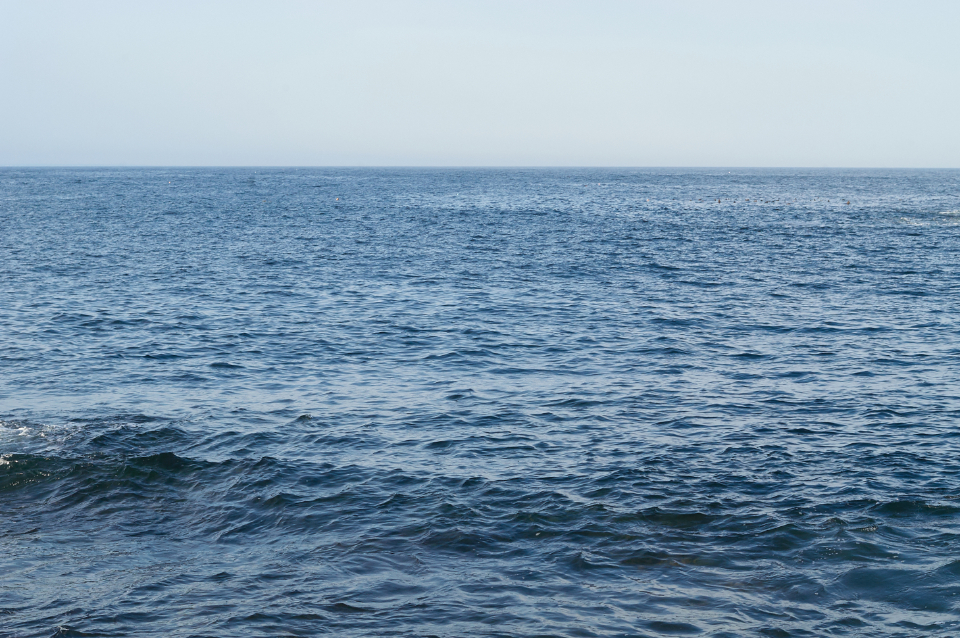
When people imagine the internet, they often picture satellites or wireless signals. In reality, the vast majority of data between continents travels through fibre-optic cables laid across the seabed.
These cables carry financial transactions, video calls, cloud services and everyday browsing. They are owned by consortia of telecom operators and, increasingly, large technology companies.
Vulnerabilities
Cables are occasionally damaged by ship anchors, fishing equipment or undersea landslides. Repairs require specialised vessels and can take days or weeks, especially in remote areas.
Because a handful of routes carry large volumes of traffic, governments are paying more attention to their security and to the risk of deliberate interference.
Building resilience
Operators add redundancy by laying new routes and diversifying landing points. Monitoring technology and international cooperation are also improving.
The cables remain one of the least visible yet most critical parts of the global economy.