A New Wave of Uncertainty for the Global Economy
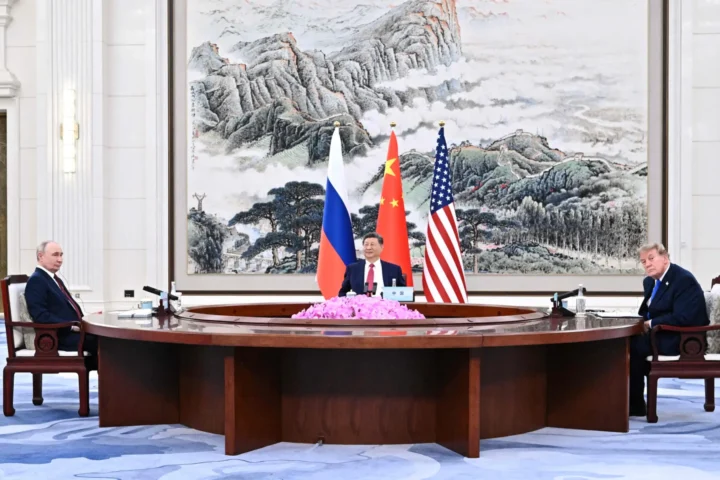
Two separate stories are now pulling on the same nerves in global markets. In the Gulf, a fresh round of Persian Gulf drone strikes on Saudi energy sites, plus reports of tankers hitting mines, helped push Brent crude (the global oil benchmark) to about $96.50 a barrel on Friday. In Washington, the US Trade Representative proposed new tariffs of up to 20% on 14 economies.
The reporting does not show that one caused the other. But both can raise costs for businesses and households, and both arrive when inflation is already a worry. That is why markets are watching closely.
What Happened in the Persian Gulf?
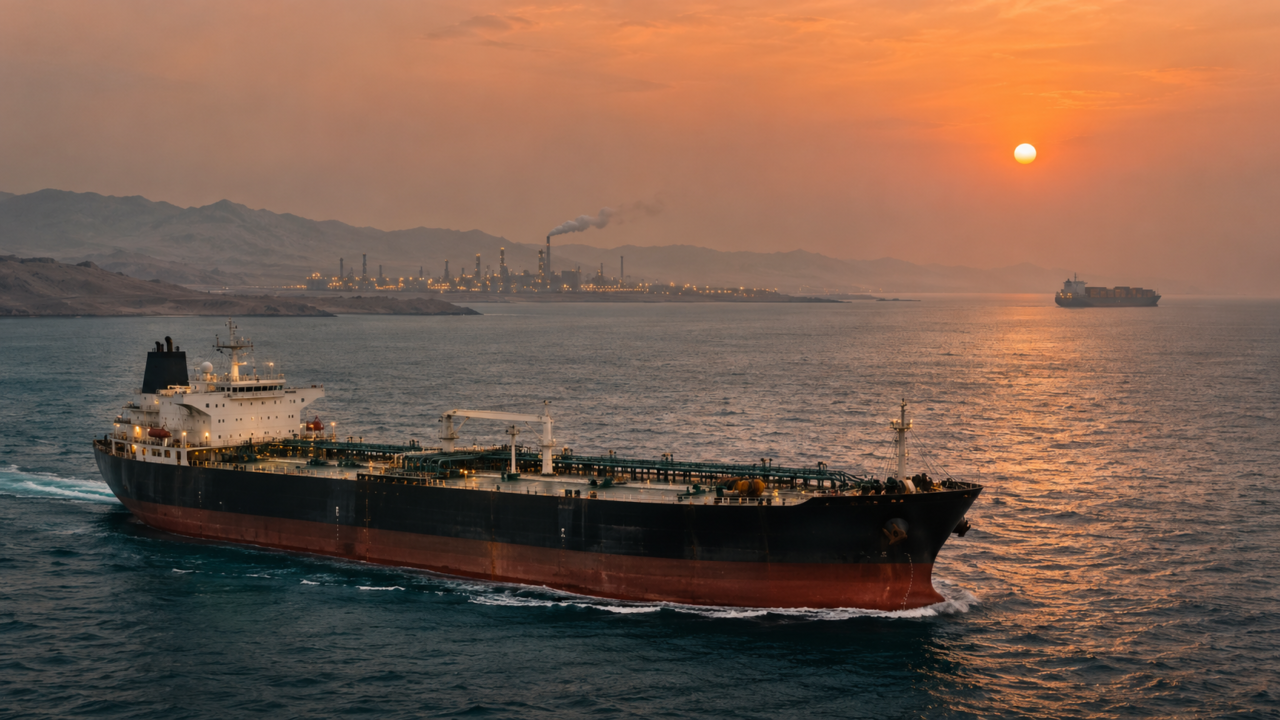
The attacks belong to a wider conflict that began on 28 February, when the US and Israel struck Iran. On 25 November, Yemen’s Houthis claimed a strike on Ras Tanura, Saudi Arabia’s largest refinery and a major export hub. Saudi forces said only that air defences intercepted four drones and debris fell. Satellite images from the same day showed thick smoke over the site. The two accounts differ, and the extent of the damage has not been independently confirmed.
The next day, Saudi Arabia’s Energy Ministry said a projectile hit the Jazan refinery on the Red Sea coast, killing a worker and temporarily halting some operations. Iran’s Revolutionary Guard separately said two tankers struck naval mines near Oman’s Khasab port while crossing the Strait of Hormuz. That claim comes from one side of the conflict, so treat it with care.
Why the Persian Gulf Matters to Global Oil Supply
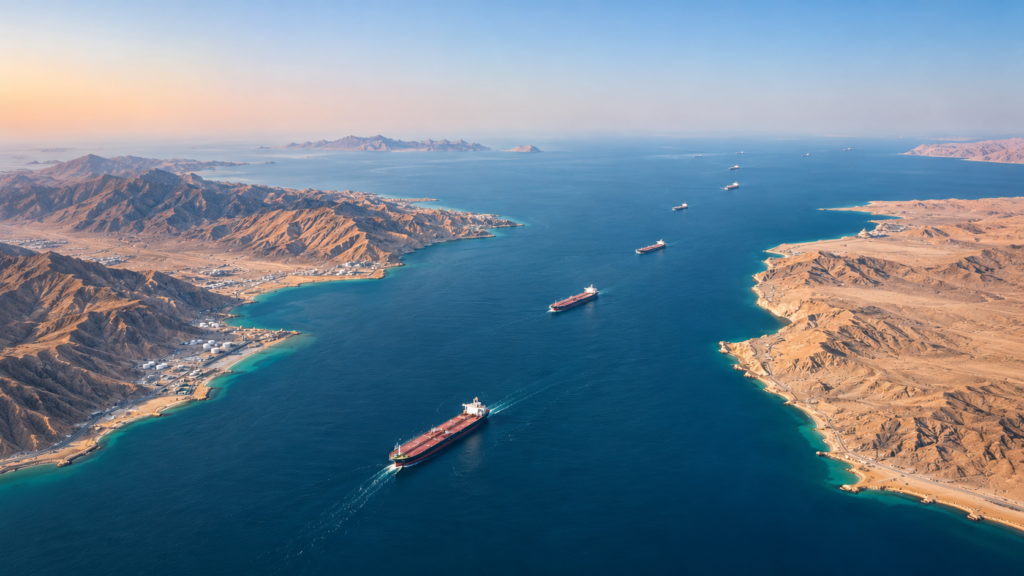
Before the war, about one-fifth of the world’s oil and liquefied natural gas (LNG, gas chilled into a liquid so ships can carry it) passed through the Strait of Hormuz. It is the narrow sea exit from the Gulf. Daily crossings fell from about 135 in February to under 10 in early March. The strait remains navigable, but traffic is far from normal.
This is why prices can jump on threats, not just on lost barrels. Traders add a “risk premium,” an extra amount that reflects the chance supply could be cut. Brent rose about 8% in three sessions, from $89.37 on Monday to $96.57 on Thursday. That is still well below March, when oil topped $100.
The Impact of New 20% Tariffs on 14 Economies
On 25 November, the US Trade Representative announced proposed duties after an eight-month probe under Section 301 (a US trade law aimed at practices Washington calls unfair). The probe looked at alleged excess production capacity in 16 economies. Fourteen were targeted: China, the EU, Japan, South Korea, Taiwan, Switzerland, India, Vietnam, Singapore, Thailand, Malaysia, Indonesia, Cambodia and Bangladesh.
The rates vary. China and Vietnam face a proposed 20%, Cambodia and Indonesia 18% and India 17%. Partners with existing deals, such as the EU, South Korea and Taiwan, are broadly capped at 15%. The proposals go through public consultation and are unlikely to take effect before January. Outlets also differ on how the new duties interact with existing tariffs on Chinese goods, so the final notice matters.
Could Oil and Shipping Costs Push Inflation Higher?
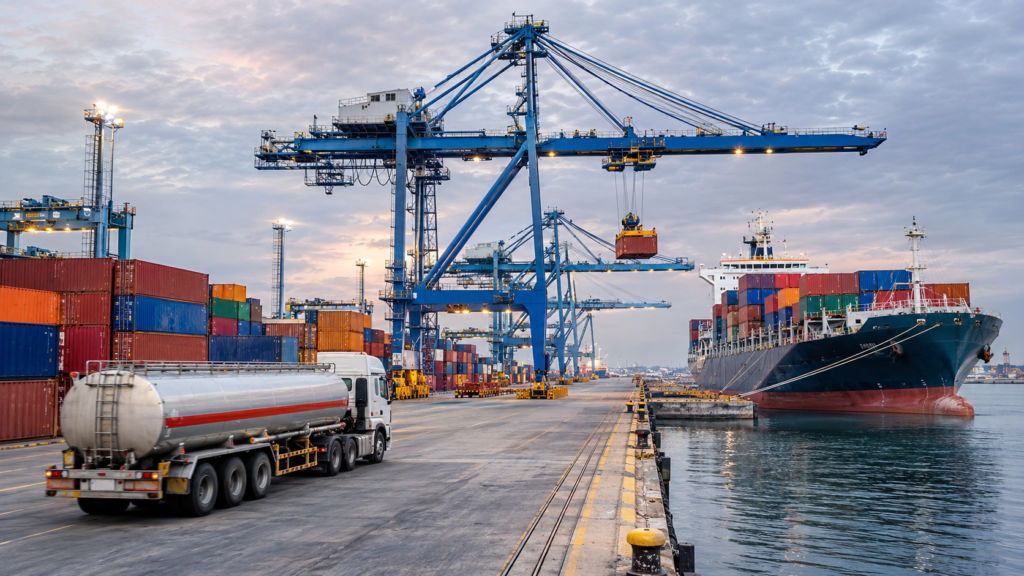
Higher energy costs rarely stay put, because fuel is an input for almost every business that moves goods. Tanker freight from the UAE’s Fujairah to India’s west coast rose 377% between late February and October, according to Drewry. War-risk insurance has also jumped. Before the war it was about 0.25% of a ship’s value, while by July a $100 million tanker faced premiums of $3–10 million. Such costs tend to be passed on, eventually, in fuel, plastics, fertiliser and food.
A tariff is a tax on imports, paid by the importer. Businesses can absorb it, pass it to customers or switch suppliers, so the effect depends on the product and the market.
Inflation is already elevated. US core PCE inflation (a price gauge the Federal Reserve watches closely) hit 3.3% in October, and markets see a December Fed rate hike as highly likely. In May, a Bank for International Settlements paper estimated the war could add 1.5–2 percentage points to inflation in the euro area, UK and US across 2026–27. It said that would be smaller and shorter-lived than the 2021–24 surge. That is an estimate, not a certainty.
Which Industries and Economies Could Feel the Pressure?
The effects are uneven. Energy importers such as India have seen crude import bills climb as oil, freight and insurance costs rose. Some US Gulf Coast refiners have gained: Reuters reported that high freight deepened discounts on certain crude grades while fuel margins widened. Shipping and logistics firms face higher insurance and security costs.
For the tariffs, the reports reviewed do not set out product-by-product coverage. It is too early to say which industries will be hit hardest.
What Could Happen Next?
- OPEC+ meets on Sunday 29 November. Sources expect it to roll over output targets through at least March.
- Hormuz and Saudi infrastructure. Further attacks could tighten supply. Analysts at PVM see a $88–$97 range, with a surplus outlook and a strong dollar capping gains. ANZ says $100 is possible but would need evidence of constrained supply.
- Tariff talks. The EU has rejected the premise of the new duties, and China and Japan have pushed back. Retaliation is a risk, not a certainty.
- The Fed’s 8–9 December meeting, where rates are expected to rise.
The Bigger Economic Picture
A drone strike on a refinery and a tariff notice in Washington look like unrelated events. They are not connected by cause, but they travel through the same pipes: fuel, freight, insurance, import prices and interest rates. Households far from the Gulf can end up paying through those channels. This is why trade policy and security events are economic stories, and why the next few weeks of decisions will matter well beyond the countries directly involved.
Sources & Further Reading
- Oil bounces as Houthi-Saudi strikes escalate (Seatrade Maritime)
- Brent trades near month’s high as Mideast conflict threatens supply (CNBC)
- Oil on track to snap 3-week losing streak over supply fears (Reuters via BOE Report)
- US proposes new tariffs on trading partners, including EU (RTÉ)
- USTR Announces New Tariffs Up to 20% on China, the EU and 12 Other Economies (Yahoo News)
- UAE-to-India crude tanker freight surges 377% amid Hormuz disruption (PortNews, citing Drewry)
- Inflation after the Iran war, Working Paper 1384 (Bank for International Settlements)