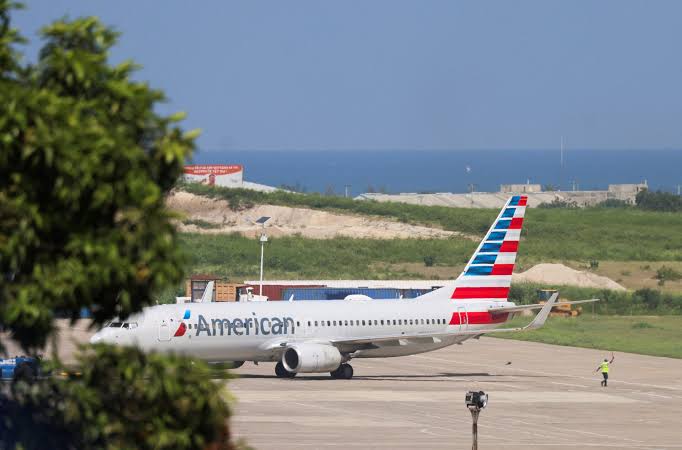
Imagine sitting in your airplane seat when the pilot says the plane is being diverted for “security reasons.” Then you notice military jets flying close to your window.
This is what passengers on several flights in Europe went through this week. A wave of Europe flight bomb threats disrupted air travel on two different days. UK Transport Secretary Heidi Alexander called the threats “malicious hoaxes.” Here is a simple, complete breakdown of what we know so far.
What did the UK Transport Secretary say?
Speaking to British broadcasters, Heidi Alexander said flights across Europe had been hit by malicious hoax threats. A “hoax threat” is a false warning, such as a fake bomb alert, made to cause fear and disruption. The word “malicious” means it was done on purpose to cause harm or trouble.
She explained that there are established processes for dealing with hoax and malicious threats. She also stressed that the government still takes every threat seriously, even when it looks fake. The UK government later said the incidents had been resolved.
Timeline: two waves in three days
Tuesday, 3 November 2026 (first wave)
According to Reuters, at least seven flights and one cruise ship in Europe received bomb threats, and no devices were found. Here is what was reported:
- A LOT Polish Airlines flight from London Heathrow to Warsaw, carrying 181 people, landed at Warsaw-Modlin airport instead of Warsaw Chopin. Passengers were evacuated and the plane was searched.
- Two Ryanair flights, one from Lisbon and one from Dublin, were searched at Rome’s Fiumicino airport. The Dublin flight was escorted by the Italian Air Force.
- Spain’s Murcia airport activated its security plan for a Ryanair flight from Manchester. Spanish officials ruled out explosives.
- Bulgaria also saw threats against flights bound for Sofia, including a Ryanair flight from Dublin and a Wizz Air flight from Bergamo, according to local reporting.
Thursday, 5 November 2026 (second wave)
The next wave was bigger. Reports put the number of flights affected at around 14 to 20, and the alerts hit flights from cities including Copenhagen, Dublin, Helsinki, Madrid, Milan, Sofia and Warsaw. Key incidents:
- Aer Lingus Dublin to Rome: The flight was diverted to a military air base in western France, according to the French prime minister’s office. The airline said it was a security precaution and that the plane landed safely.
- Finnair flights: Finnair confirmed that two of its flights, Helsinki to Rome and Helsinki to Vienna, faced unfounded hoax bomb threats. More than 300 passengers were affected, and all passengers and crew were safe. Italian jets escorted the Rome-bound plane, and a bomb squad searched it and found nothing.
- UK link: A Ryanair flight from London Stansted to Sofia was diverted to Plovdiv in Bulgaria. Threats against Heathrow and Birmingham airports were judged not credible.
- Prague: Czech police said four flights bound for Prague were targeted, and the threats arrived in an anonymous email. Police said similar emails were sent to other European airports.
Across both days, no explosives were reported on any aircraft.
Who is behind the threats?
This is the biggest open question, so please read it carefully before you publish or share it.
Rome airport authorities told the BBC they received an email from a group calling itself “Fighters of the Male State”. The group said it was targeting a “feminist regime.” Reports say the message was sent to a Belgian baggage-handling company working at Fiumicino. Irish media also reported the group’s name in Italian, Combattenti dello Stato maschile.
However, this is only a claim made in an email. Investigators are still checking whether the Thursday alerts are connected to Tuesday’s, according to Open Jaw. No authority has confirmed who really sent the emails, so treat the group’s name as unverified.
Why do hoax bomb threats matter if nothing was found?
A fake threat still causes real damage:
- Safety risks: Emergency landings and fighter-jet escorts are serious operations, even when the threat is false.
- Cost: Diversions burn extra fuel, and crews, airports and airlines have to deal with the chaos.
- Passenger stress: Hundreds of people were frightened and stuck in the wrong city.
- Strain on security teams: Every threat must be treated as real until proven otherwise.
EU Transport Commissioner Apostolos Tzitzikostas said the European Commission was in contact with the affected countries and that threats against civilians are unacceptable. Industry voices also called on authorities to find the source of the hoaxes. That report also notes that there is no sign the threats are linked to cargo.
Is this new?
No. Hoax threats against airlines have happened for years. Some earlier episodes include a 2017 case where RAF fighter jets escorted a Ryanair flight after a hoax. India has also faced a surge of hoax threats against its airlines. What stands out this week is how many countries were hit within a few days.
What should travellers do?
These are general tips, not legal advice:
- Stay calm and follow crew instructions. Crews are trained for this.
- Keep your documents, boarding pass and receipts. You may need them for rebooking or claims.
- Contact your airline first. Airlines usually rebook passengers affected by diversions.
- Check official updates. Look at your airline’s website and your airport’s social media before heading out.
- Ask about compensation rules. Whether you can claim depends on the airline, the route and the circumstances, so check with your airline or a consumer-rights body.
Final thoughts
The Europe flight bomb threats this week caused fear and delays, but they ended without injuries or explosives. The key facts are clear: two waves of threats, 20 or so flights affected, no devices found, and officials calling it “malicious hoax threats.” What remains unclear is who is responsible. Until investigators confirm that, it is wise to rely on official statements and trusted news outlets. I’d also update this post as new details come out.