Published October 19, 2026
Why Trump Turned to Moscow
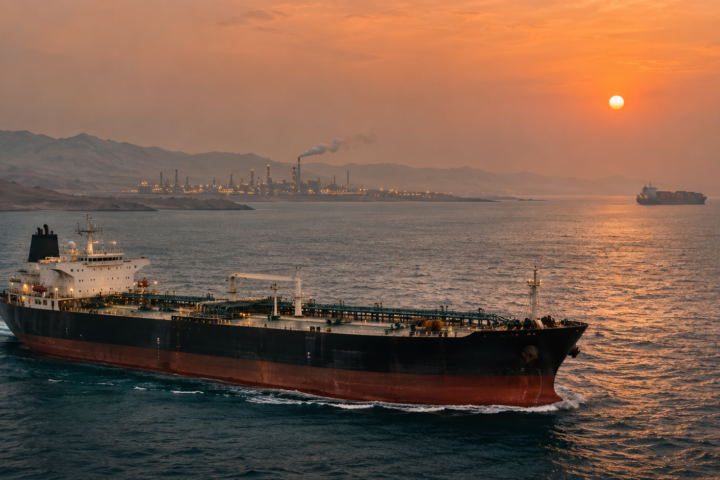
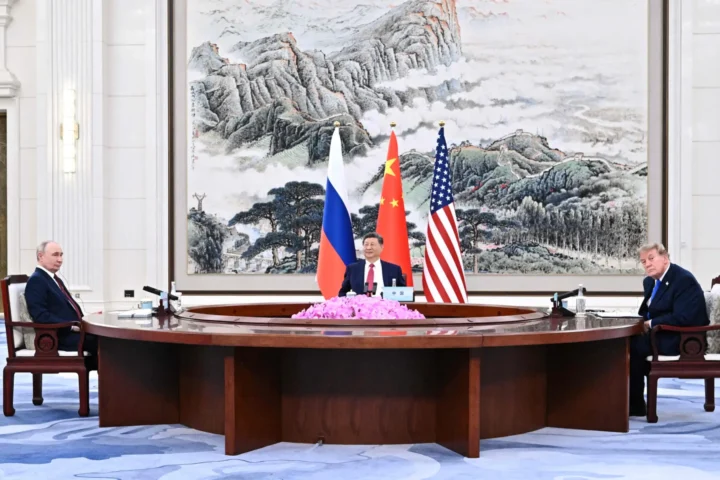
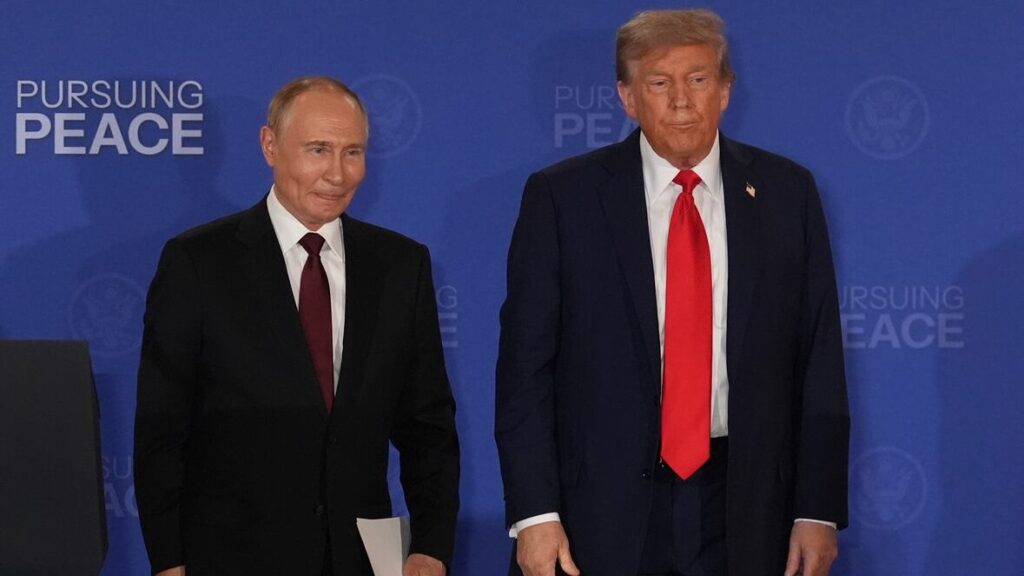
On October 9, 2026, President Donald Trump said he had reached an agreement with Russian President Putin to bring Russian diesel back onto world markets. The announcement followed a phone call that, according to the Kremlin, lasted about ninety minutes and covered large economic initiatives, including fuel supplies.
The timing reflects pressure at home. Diesel prices in the US have climbed above $6 a gallon, driven up by the war with Iran, and midterm elections are weeks away. Trump presented the deal as relief for farmers, ranchers and truckers.
The Numbers Trump Announced
In a Truth Social post, Trump said Russia would supply 300,000 tons of diesel right away, another 500,000 tons in November, and 1 million tons in December. He said a further 3 million tons would follow depending on the state of Russia’s refineries. By CNBC’s calculation, the full package comes to about 4.8 million metric tons, or roughly 35.76 million barrels.
These figures come from Trump’s own announcement. The Kremlin’s account of the call gave no tonnages.
The Part That Is in Writing
Only part of the arrangement exists as an official document. Hours after the announcement, the US Treasury’s Office of Foreign Assets Control issued General License 135, which authorizes the sale, delivery, offloading and importation of Russian-origin diesel, including into the United States, through April 7, 2027. The license does not permit access to funds held by Russia’s central bank, National Welfare Fund or Finance Ministry at US financial institutions.
A general license is a permission, not a repeal. The underlying US ban on Russian energy imports remains in effect, and the license can be withdrawn.
On the Russian side, Deputy Prime Minister Alexander Novak told the state news agency TASS that Russia was beginning to ease diesel export restrictions ahead of schedule, and the Kremlin later said it was partially lifting its export ban to meet the deal’s volumes. However, one analysis noted that no published Russian government decree ending the ban could be found.
One Week Later: Sanctions Law Put on Hold
On October 16, Trump took a further step. Using a provision that lets the president waive parts of the law by certifying national interest, he prevented portions of the Lindsey O. Graham Sanctioning Russia Act from taking effect. That law, which Trump had signed only weeks earlier, would have imposed 100% tariffs on the five largest buyers of Russian oil and gas starting October 18. Trump also waived the law’s 500% tariffs on Russian goods and halted certain other sanctions, with the waivers lasting until officials decide further action is appropriate.
The law was aimed mainly at major buyers of Russian energy, including China, India and Turkey. Putin’s envoy Kirill Dmitriev called the suspension an important and historic moment.
Can It Really Cut Fuel Costs?
Analysts are skeptical, for three reasons.
The volumes are small. Global diesel consumption is about 30 million barrels a day, which means the entire package amounts to roughly a day of world demand. EU economy chief Valdis Dombrovskis said the volumes have no macroeconomic significance and that there are doubts Russia can supply them to US quality standards.
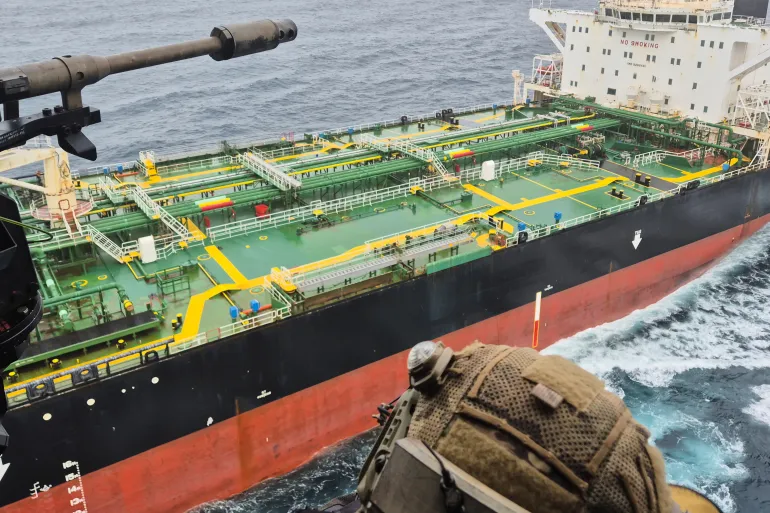
Russia may not have the diesel. Russia has banned diesel exports since July 8 following Ukrainian drone strikes on its refineries. One market analysis put it plainly: Washington can remove legal barriers but cannot force Russia to export.
Putin wants more. Putin said Russia has enough diesel, but that it will not reach international markets while sanctions remain. Analysts quoted by CNBC suggested the deal offers Moscow limited financial gains but could encourage it to seek further concessions.
Who Is Pushing Back
Ukrainian President Volodymyr Zelenskyy called the diesel deal a gift to Putin that would help fund the war. Criticism also came from Trump’s own party. Republican Sen. Susan Collins said she opposed lifting sanctions on Russian diesel, and Rep. Brian Fitzpatrick announced a bipartisan bill to block the lifting of sanctions on Russian oil. A bipartisan group of senators urged Trump to enforce the Graham law. In Europe, officials from Lithuania and Ireland voiced concern, and EU and UK bans on Russian refined products remain in place.
The Big Questions Ahead
Three questions will decide how significant this is: whether Russia actually ships the promised tonnage, whether Congress moves to block the waivers, and whether Moscow uses the diesel deal to press for broader sanctions relief. General License 135 expires in April 2027, and the Graham Act waivers have no set end date .
1. The Bigger Cause: The Iran War and the Global Fuel Crisis
According to analysts ,
The diesel deal is a response to the global fuel crisis, which has worsened due to the ongoing war with Iran. The closure of the Strait of Hormuz, a major shipping route that carries more than 20% of the world’s oil trade, has severely disrupted global oil supplies. The International Energy Agency (IEA) has described this disruption as the largest in the history of the global oil market.
The impact of the crisis is evident in rising fuel prices. On October 16, Brent crude oil reached $110 per barrel, while the average US diesel price rose to $6.33 per gallon, more than 70% higher than a year earlier. The shortage is particularly serious in the diesel market, as combined diesel-type exports from the Middle East and Russia have fallen by more than 60% compared with the previous year. Meanwhile, US diesel inventories reached their lowest seasonal level in 14 years at the end of September.
The IEA warns that the crisis may continue for an extended period, with global fuel inventories not expected to recover until the second half of 2027. In this situation, the Russian diesel deal could help ease immediate supply shortages. However, it is unlikely to resolve the wider crisis, as global fuel markets may remain under pressure until supplies gradually recover.
Sources :