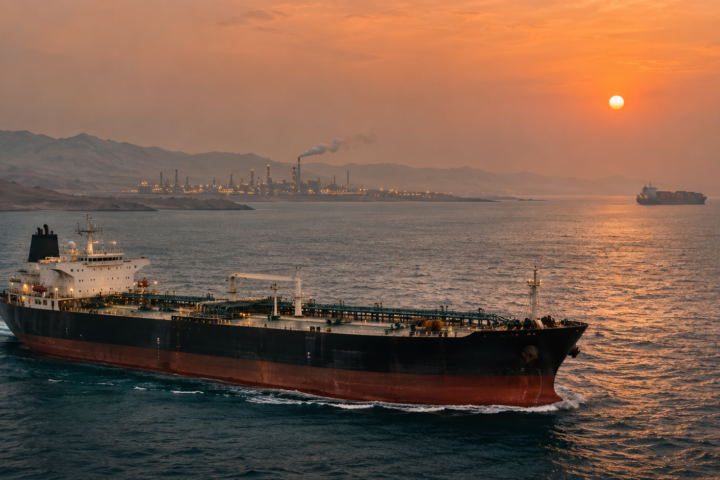
Commodities are raw materials such as energy, metals and agricultural products. Their prices are set in global markets and respond to supply, demand, weather, conflict and investor sentiment.
For commodity-exporting countries, high prices boost revenues and currencies. For importers, they raise costs and can strain household budgets.
Food and energy
Energy prices feed into transport and production costs across the economy. Food prices have an outsized effect on lower-income households, which spend a larger share of their income on food.
The energy transition
Demand for metals used in batteries, wind turbines and power grids is growing. Countries with those resources may gain economic importance.
Commodity cycles remain one of the most powerful forces in global economics.